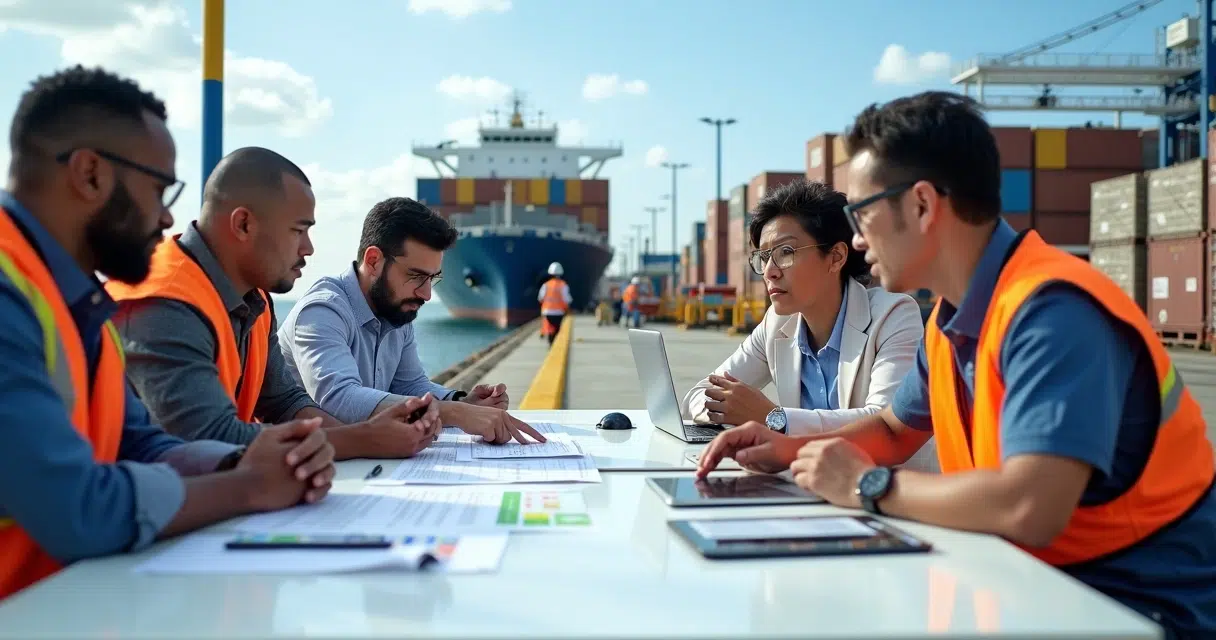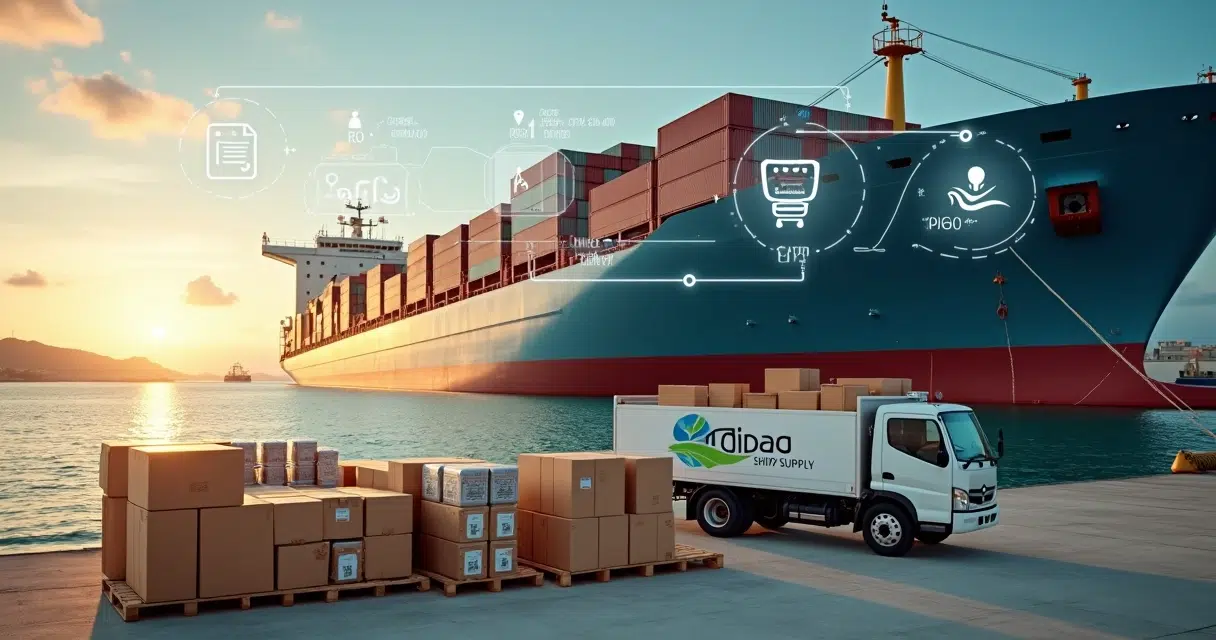
In modern maritime logistics, clarity and reliability define the value we bring to our partners. At TROPICAL SHIP SUPPLY LTD., we believe that the path from RFQ (Request for Quotation) to POD (Proof of Delivery) is not just a sequence—it is the backbone of trust, compliance, and operational speed across Brazilian ports. We designed our operating flow to embody transparency, responsiveness, and robust traceability, delivering peace of mind to every vessel we serve.
Understanding the cycle: An overview
Let us walk through every step, from the initial quote request to the final delivery documentation. This cycle ensures that no detail is missed and allows us to uphold the highest standard of ship supply service.
- Receiving the RFQ
- Preparation and validation of the offer
- Client assessment and negotiation
- Order confirmation and internal coordination
- Packing and quality assurance
- Delivery and documentation
- Proof of delivery and traceability
Each stage comes with its own set of controls and evidence production, and that is how we provide not only goods, but security and accountability in every operation.
 Step-by-step: RFQ to POD in detail
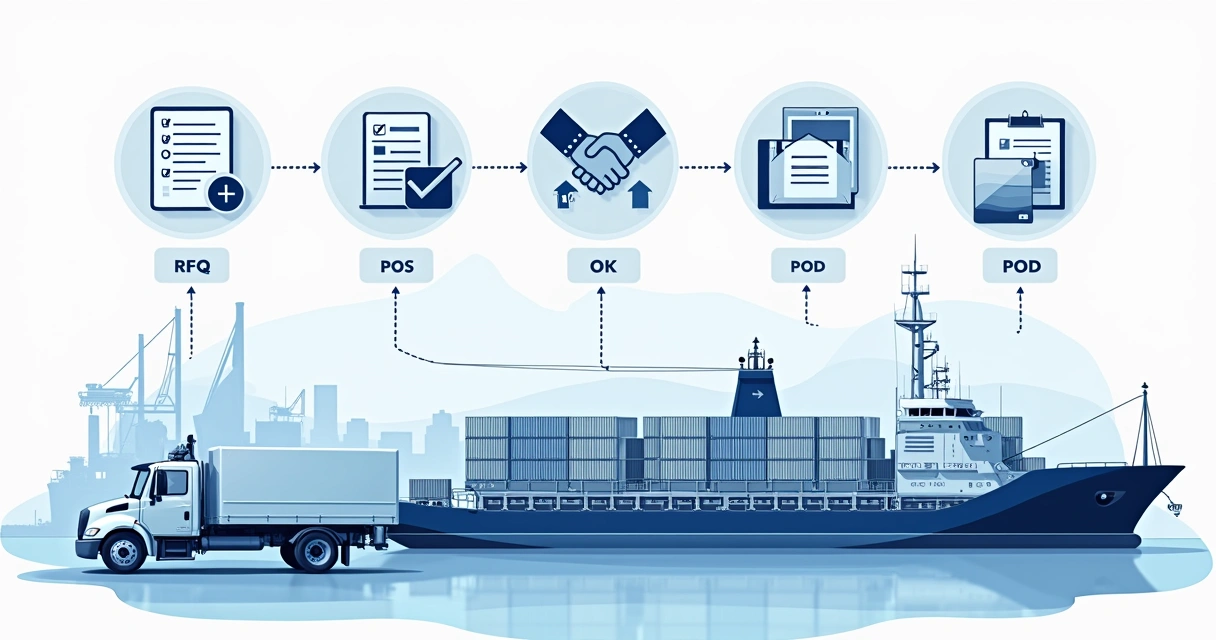 Step-by-step: RFQ to POD in detail
We approach every project with our clients’ needs in mind. These are the critical stages in our ship supply operational flow, with traceability and documented evidence embedded at each point.
Receiving the request for quotation (RFQ)
The journey begins when a shipping company, agent or crew member sends us an RFQ. This document outlines what the vessel requires—provisions, bonded stores, charts, safety equipment, or technical spares. At TROPICAL SHIP SUPPLY LTD., our process includes confirmation of receipt and quick clarification of requirements so every detail is aligned from the start.
Our team works in close contact with vessel representatives or agents, ensuring clear communication and a comprehensive understanding of all supply needs.
Preparation and validation of the offer
Once we review the RFQ, our specialist team prepares a detailed quotation. This phase involves not only pricing but validating item availability, expiration dates, certification checks, and logistics feasibility per port location. To maintain transparency and compliance, we maintain digital records of all offers sent, allowing us to track revisions, correspondence history, and approval trails.
Client assessment and negotiation
The proposal’s fine details often prompt questions or slight modifications. Our clients can count on our flexibility in negotiation, always within agreed timelines and quality standards. For each exchange, messages, amended quotes, and confirmed requirements are preserved, providing documented evidence for audits or future reference.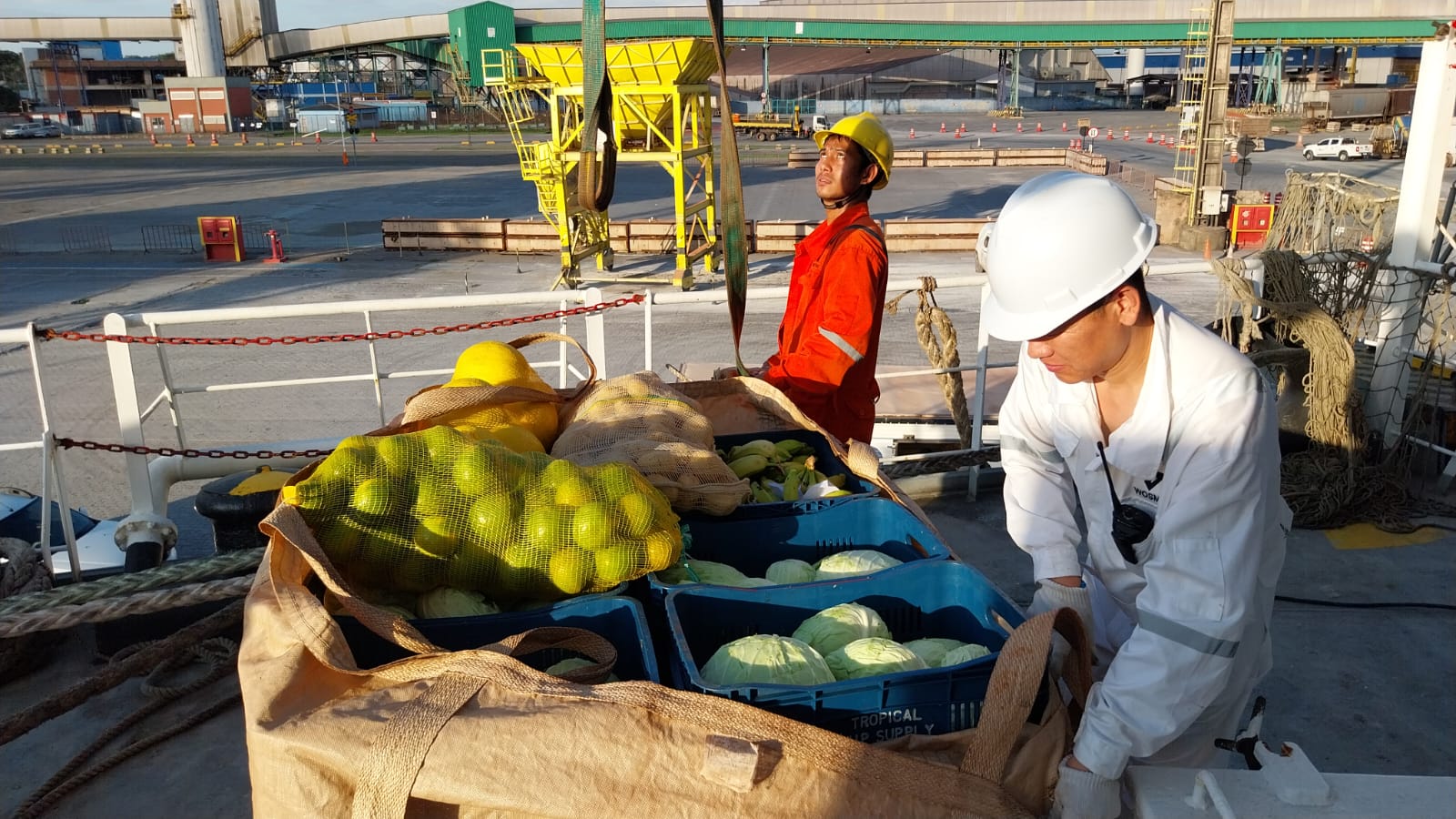
Order confirmation and internal synchronization
Once the client gives the green light, the confirmed order triggers a coordinated response across our internal teams—procurement, logistics, quality control, and delivery units are all notified, each with digital access to the same version of the scope and instructions. This step ensures all departments are aligned, with responsibilities and deadlines clearly recorded.
Packing, labeling, and quality checks
Goods for delivery go through strict receiving, picking, and packing processes in our facilities at Brazilian ports like Santos, Vitória, or Pecem. Every product batch is checked for quality, expiry, and safety compliance, with records maintained for each lot.
Where applicable, digital photos of packed goods, serial numbers, and certificate copies are added to the file, producing irrefutable evidence that standards have been met.
Transport, delivery, and documentation
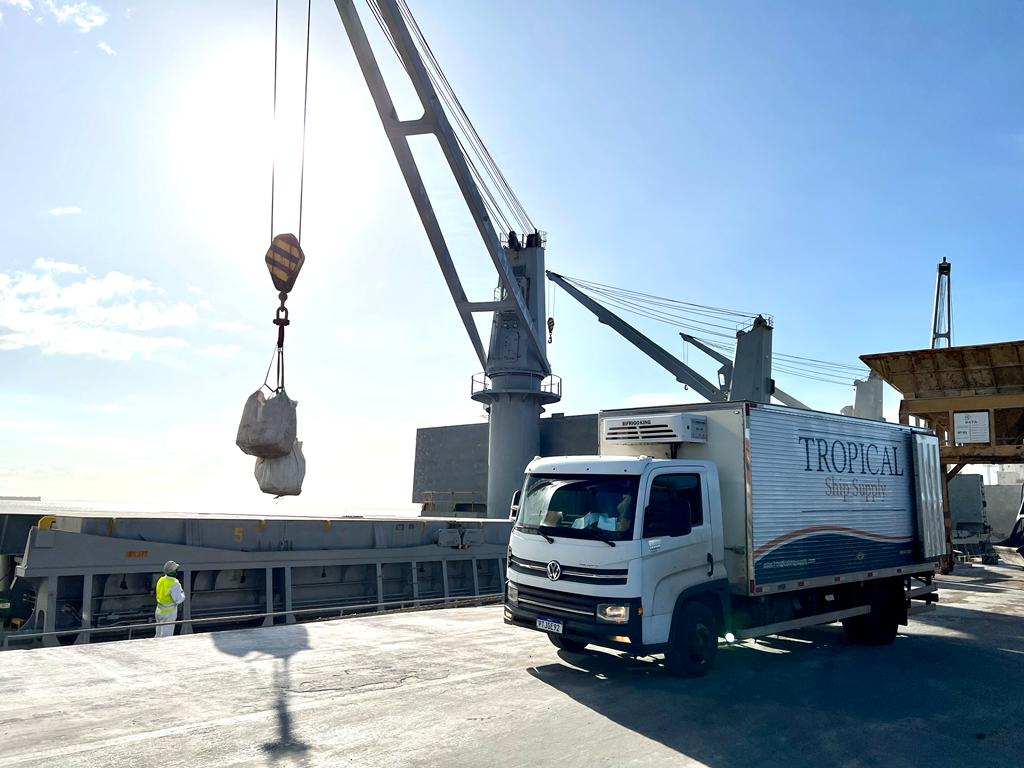
Our logistics team coordinates the delivery window in harmony with port operations and vessel schedules. We document every stage—from the departure of our trucks to the actual delivery on board. Upon arrival, we liaise directly with ship staff or port agents, handle customs clearance as needed, and conduct a joint inspection to confirm quantities and quality.
A signed delivery note or electronic POD (Proof of Delivery) is collected. If required, we also provide photographic evidence of the handover, as well as official customs or port documentation.
Maintaining traceability, compliance, and evidence
With every supply chain step, traceability is not optional—it is integral.
Our operations generate a digital log for every transaction. We adopt electronic records for quotations, orders, inspections, customs clearances, and deliveries. Studies such as those published on PubMed Central show that while a growing percentage of seafood and logistics companies have electronic traceability, there are still industry gaps—something we address through continuous improvement and technology adoption.
We recognize, as highlighted in NOAA Fisheries’ studies, the role of detailed traceability for preventing supply fraud and ensuring legal compliance. Whether it is maintaining product origin data, batch numbers, or delivery times, our process guarantees each cargo can be traced from origin to vessel—not only for compliance, but for your operational assurance.
How our standards deliver value
Our clients expect transparency, speed, and reliability. We deliver this through clear, documented processes, relying on our team’s experience and training. From our environmentally friendly sourcing and packaging to our digital traceability systems, the TROPICAL SHIP SUPPLY LTD. flow is designed for both day-to-day efficiency and peace of mind in audits or investigations.
Our operational structure is supported by a wide network of strategic port bases, enabling us to reach vessels quickly and maintain consistent quality despite logistical or regulatory complexities. For the latest in maritime trends and operational news, refer to our blog and news section, or stay updated on sector news through our maritime news page.
Conclusion
The ideal flow from RFQ to POD combines transparency, constant communication, and documented evidence at every step. At TROPICAL SHIP SUPPLY LTD., this is not just a procedure—it is our promise to you. To learn more about how our operational flow benefits your vessel and supply chain in Brazil, discover our complete ship chandler solutions or visit our official website for more information about our company and services.
Ready to secure your supply chain with fast, reliable, and traceable operations? Connect with our team today and request a quotation. Start a partnership built on clarity and trust as your vessel calls at any Brazilian port.
Frequently asked questions
What is RFQ in ship supply?
RFQ stands for Request for Quotation. It is the initial document where a vessel, ship owner, or shipping agent lists the required supplies or services needed for an upcoming port call. The RFQ allows us to clarify needs, confirm feasibility, and prepare a tailored offer based on availability, turnaround, and compliance in Brazilian ports.
How does the POD process work?
POD, or Proof of Delivery, is the last step in the ship supply chain. After goods are delivered to the vessel, our team obtains a signed delivery note (or an electronic POD) as evidence that the delivery was made correctly, in the right quantity and quality, and at the agreed time. This document may be supported by photographic evidence and additional port or customs paperwork as needed.
Why is traceability important in ship supply?
Traceability ensures that every supply, from fresh produce to technical equipment, can be traced back through all stages of the logistics chain. This is especially important for legal compliance, food safety, and supply chain transparency. With clear records, shipping companies and authorities can verify origin, quality, and safety, avoiding risks like fraud or safety breaches. Leading research shows that while traceability adoption is increasing, full electronic interoperability is still a challenge in maritime supply, which is why we apply robust systems for every order.
How can I ensure supply chain evidence?
To ensure proper evidence, it is essential to maintain a digital record of all key steps—RFQ, quotations, acceptance, quality checks, delivery notes, and photographic documentation where needed. At TROPICAL SHIP SUPPLY LTD., all communications, approvals, and transactional steps are kept with time stamps and supporting documents, enabling clients and regulators to audit any part of the supply chain with confidence.
What are the steps from RFQ to POD?
From RFQ to POD, the flow typically includes:
- Receiving and clarifying the RFQ.
- Preparing and sending a detailed offer.
- Negotiation and approval by the client.
- Order confirmation and internal coordination of sourcing and shipment.
- Packing, quality checks, and documentation preparation.
- On-time delivery to the vessel, handled by our trained team.
- Collection of signed POD and final completion of electronic records.
Each stage is documented and traceable, which is the foundation of our reliable service.