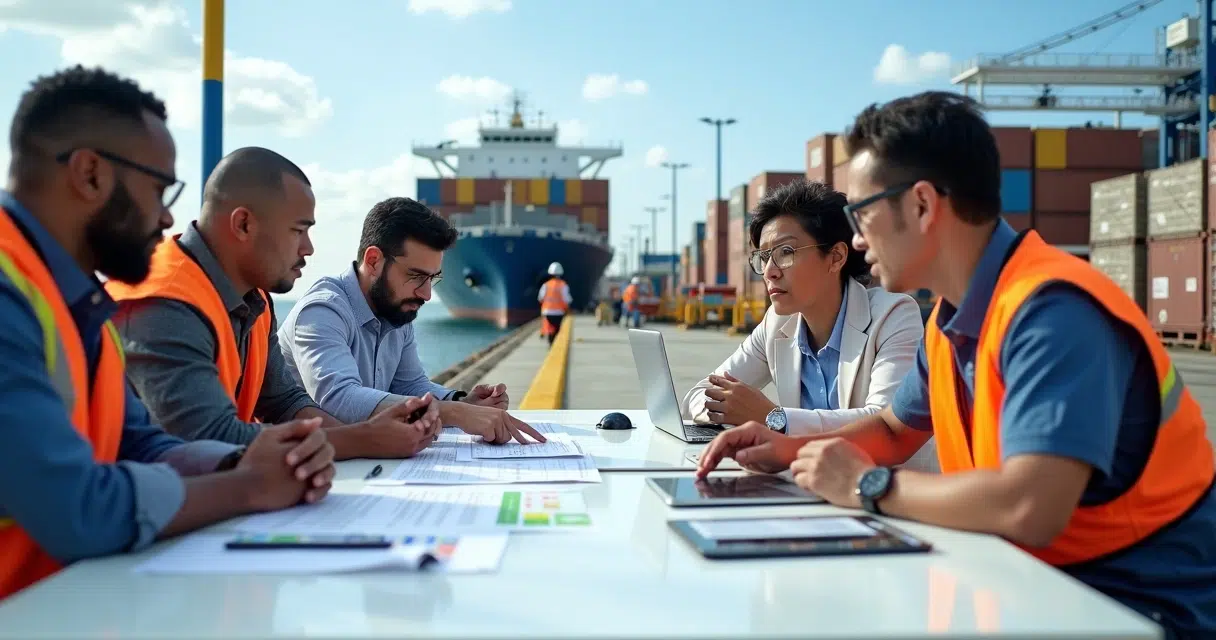
In the last decade, the movement of cargo through Brazil’s ports has seen historic growth. By 2025, Brazilian ports handled a record 1.4 billion tons of cargo, reflecting a logistics chain increasingly sophisticated yet pressured by high throughput and tight operational windows (data from Brazilian government). For those of us at TROPICAL SHIP SUPPLY LTD., operating friction-free deliveries in this dynamic landscape is both a daily challenge and a source of pride.
Understanding Brazilian port clusters
A port cluster in Brazil is more than just a port—it’s a network. This network connects various terminals, logistics operators, customs agents, and auxiliary services concentrated within a strategic area. These clusters, such as those found in Santos, Itaqui, and beyond, allow multiple types of vessels and cargo flows to interact, creating both opportunities and operational constraints. With so many moving pieces, delivering ship supplies calls for precision and proactive planning.
Mapping the delivery landscape
We have found that each port cluster has its own operational identity. Some ports, such as the Southeast giants, focus heavily on iron ore and oil, moving over 635 million tons by November 2025 alone (government sources). Others, especially in the North and Northeast, serve as gateways for general cargo, grains, and cabotage. The cluster’s traffic, berthing windows, and local norms create conditions that can support or complicate efficient supply work. We consider it our responsibility not only to master these patterns, but also to anticipate their impact on every delivery.
“Every minute at the port counts.”
Our team at TROPICAL SHIP SUPPLY LTD. operates across a spectrum of Brazilian ports, from PECEM and ITAGUAI in the Southeast, to SANTAREM and ITAQUI in the North and Northeast. Each location requires unique navigation, but the fundamental principles stay the same: reliability, transparency, and local expertise.
Managing time windows for delivery
One of the major factors influencing smooth operations is the adherence to strict delivery windows. “Time window” refers to the specific period allowed for services or goods to be delivered on board. These slots are coordinated with port authorities and the ship’s schedule, often measured in hours, not days.
From our experience, here’s how we align to these tight windows:
- We maintain close contact with port agents and authorities to monitor changes in ETA (Expected Time of Arrival) and ETD (Expected Time of Departure).
- We synchronize our logistics so our trucks and supply teams are present right when vessels are granted access, neither too early nor too late.
- A network of strategically located bases ensures we are close to all major Brazilian ports, minimizing transport delay.
 The success of frictionless delivery depends on building redundancy into our operations. We prepare alternate plans to accommodate berthing delays, weather, or customs issues without losing the committed delivery slot, something we consider non-negotiable for our customers.
Addressing operational restrictions in cluster ports
Beyond time management, Brazilian clusters have specific restrictions that shape every supply operation. Common restrictions involve:
- Access limitations to vessel berths for delivery vehicles
- Mandatory safety and environmental procedures for all on-board personnel
- Port-specific security checks (badges, cargo manifest controls, etc.)
- Seasonal or weather-driven constraints, especially in riverine and North/Northeast ports
We stay ahead by investing in continual training for our field teams and leveraging our experience with clearance authorities, having built relationships that help us overcome hurdles quickly and legally《4:2†introduction_-_tropical_ship_supply_ltd_-_brazil_2025.pdf】.
Our team always double checks documentation and follows updated protocols for environmental safety, as sustainability and compliance are guiding pillars at TROPICAL SHIP SUPPLY LTD. Our use of sustainable packaging and renewable energy sources at our facilities further supports responsible operations.
Ensuring fluid operations across port flows
Port flow refers to the rhythm of ship arrivals, loading, unloading, and departures. During 2025, this flow reached new peaks. For instance, November alone saw a 14.5% increase in cargo movements compared to the same period of the previous year (see growth figures).
To ensure fluidity in our deliveries we:
- Map the daily, weekly, and monthly vessel flow patterns within each cluster
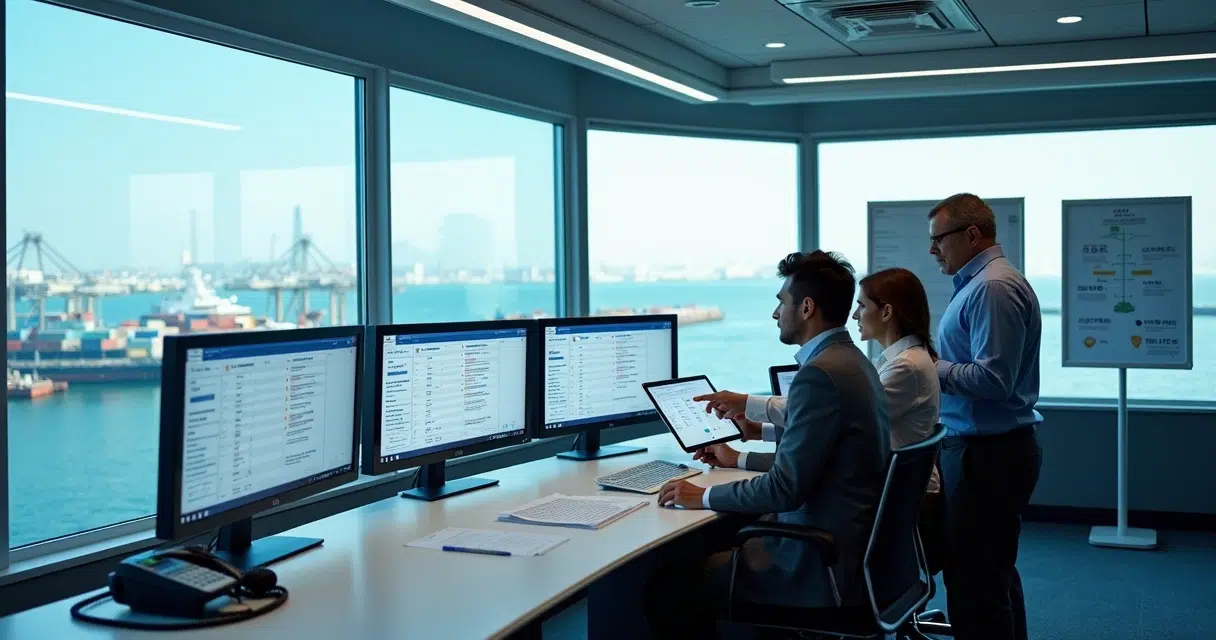
- Use real-time digital tracking for our trucks and supplies
- Maintain ongoing dialogue with port operations rooms and agents
- Regularly review traffic trends through sources such as the maritime news platform
This proactive attitude ensures we anticipate not only regular peaks in movement but also respond to unexpected surges or disruptions. We adapt quickly, drawing from long-standing expertise to avoid bottlenecks and missed windows.
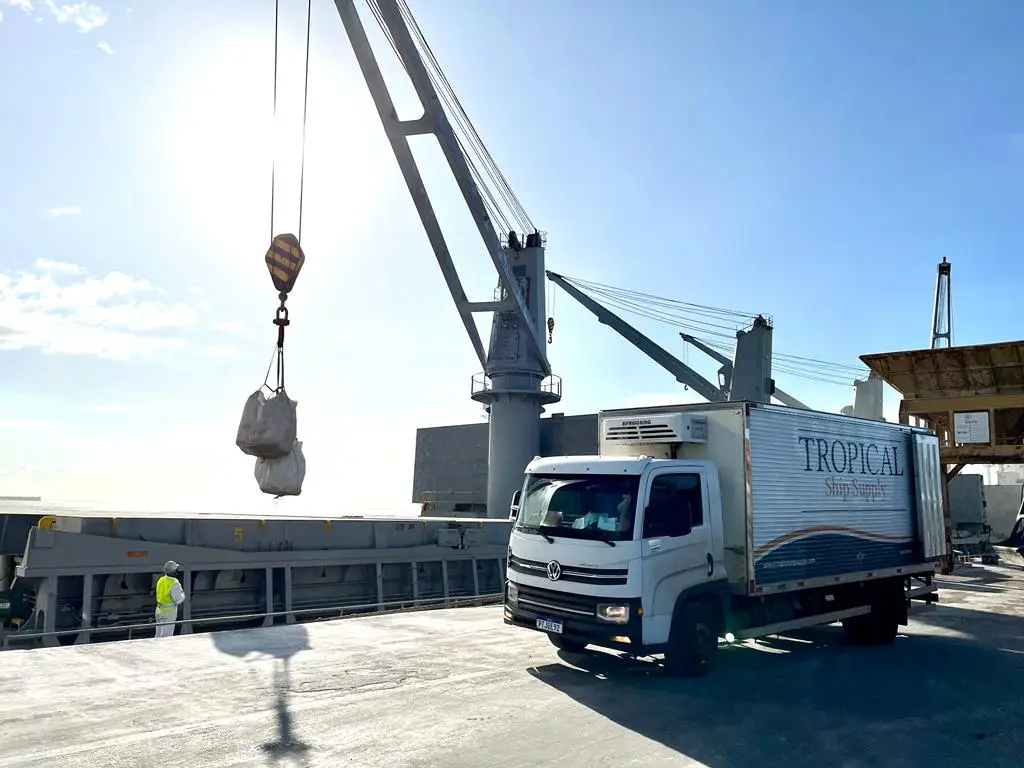 It’s remarkable how predictable unpredictability has become. Still, preparation, reliable information sources, and trusted local partners make all the difference. We work closely with emerging corridors and reforms, such as the logistic corridors government specialists suggest should include the Northeast (corredores logísticos policy analysis).
Our structure and promise
At TROPICAL SHIP SUPPLY LTD., our structure is designed around responsive, regionally anchored supply bases, handled by professionals who know Brazilian ports inside and out. Our services cover everything from fresh provisions and ship charts to technical equipment and safety supplies.
Reliability, quality, and transparency are not just words. They are how we measure success, every single day.
The road ahead and call to action
The expansion of Brazil’s port infrastructure, including major privatization and modernization efforts, is a trend we follow closely. The new Santos container terminal project reaffirms the strategic focus on delivering faster, more cost-effective solutions for ship owners and agents based in Brazil (Santos port terminal update).
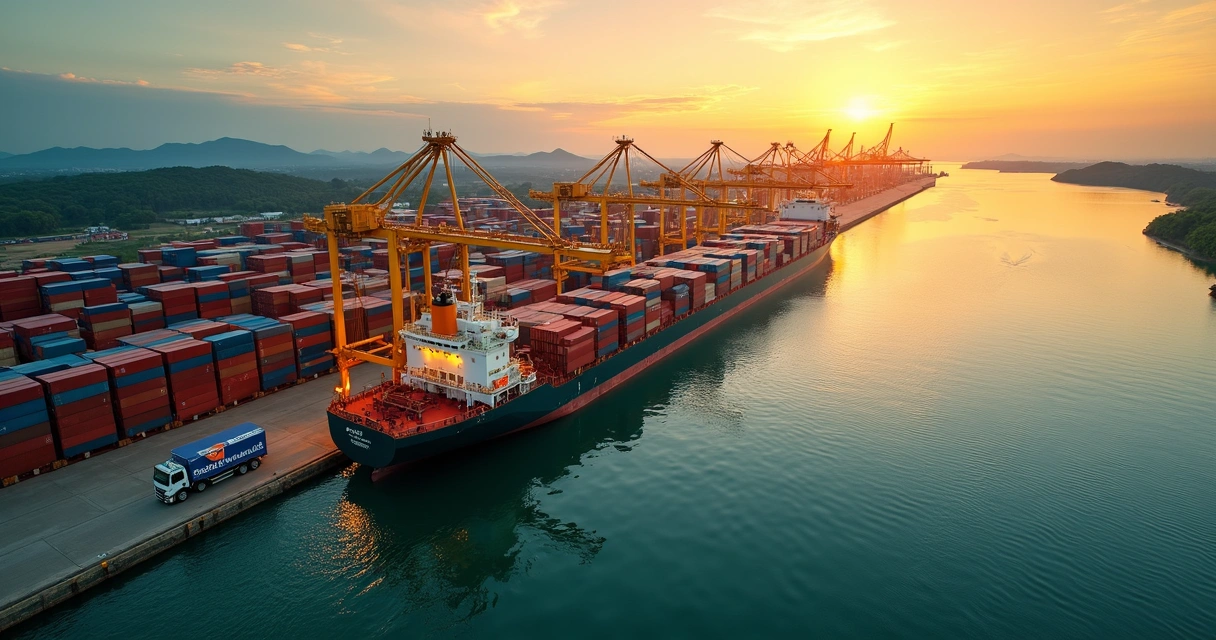 We are proud to be a reliable partner for vessels calling at Brazil’s port clusters—large or small, foreign or coastal. If you share our commitment to quality and want smooth delivery during your next call, reach out to us. Discover the flexibility, quality, and peace of mind that our unique approach can provide.
Let us make your port call effortless, so you can focus on your journey.
Contact our dedicated team at Quotation@tropicalshipsupply.com or via WhatsApp at +55 98 98347-0908 for a quote or more information. We are always ready to support your operations across Brazil’s key maritime clusters.
Frequently asked questions
What is a port cluster in Brazil?
A port cluster in Brazil is a grouping of interconnected port facilities, operators, and support services concentrated in a specific location to streamline logistics, maximize synergies, and improve cargo throughput. These clusters may include several terminals, logistics hubs, and auxiliary services working as a unified ecosystem around major port infrastructure for efficient vessel servicing and supply management.
How to manage delivery time windows?
Managing delivery windows requires constant coordination between the supplier, port authorities, and vessel agents. We stay informed of vessel arrival and departure changes, use real-time logistics to adjust schedules, and keep our delivery operations flexible. It’s about being ready to deliver exactly when required, no earlier or later, to fit the ship’s allotted window and minimize delays.
What are common port delivery restrictions?
Common restrictions include limited access to docks for vehicles, mandatory safety protocols, strict documentation requirements, and periodic security or environmental checks. These are designed to maintain orderly port operations and ensure the safety of all personnel and vessels. Our crews are trained to comply with each port’s unique regulations while maintaining delivery speed and service quality.
How to ensure smooth delivery operations?
To ensure a smooth delivery in Brazilian port clusters, proactive planning, local knowledge, and real-time communication are critical. We integrate tracking, redundancy, and continual training to manage restrictions, monitor flow, and adjust to last-minute changes—guaranteeing reliability from warehouse to deck.
Where to find port flow information?
Port flow and cargo data are available via official Brazilian government platforms and sector news reports. For ongoing trends, vessel call information, and infrastructure updates, reliable sources include maritime news platforms and government releases on port movement and logistics sector growth.