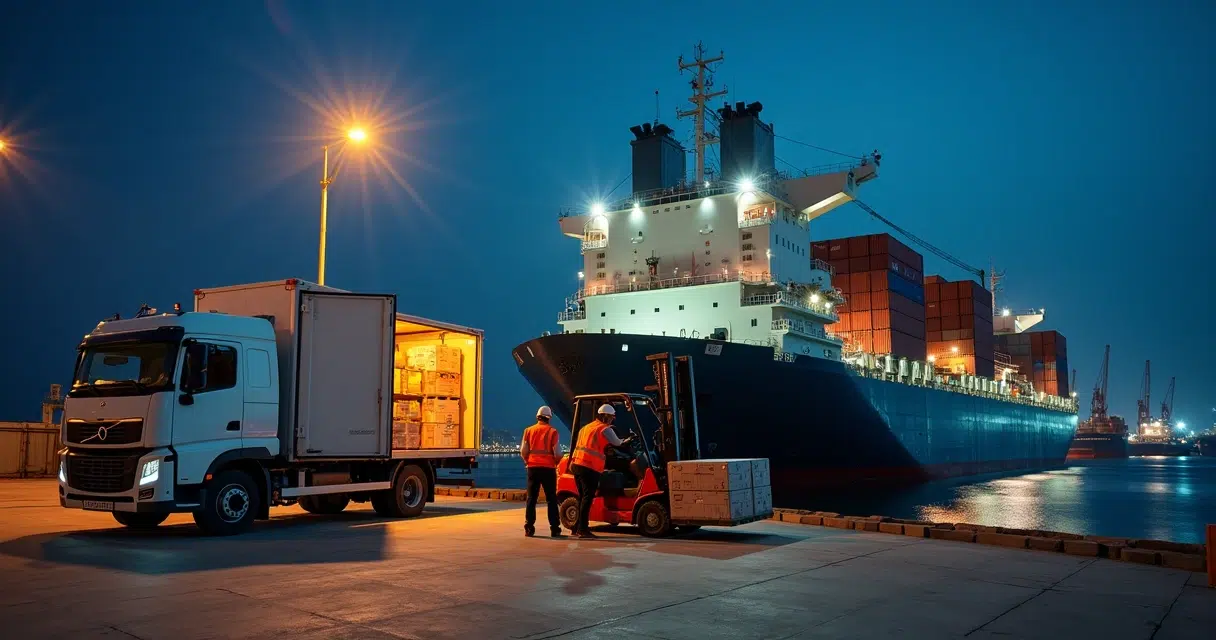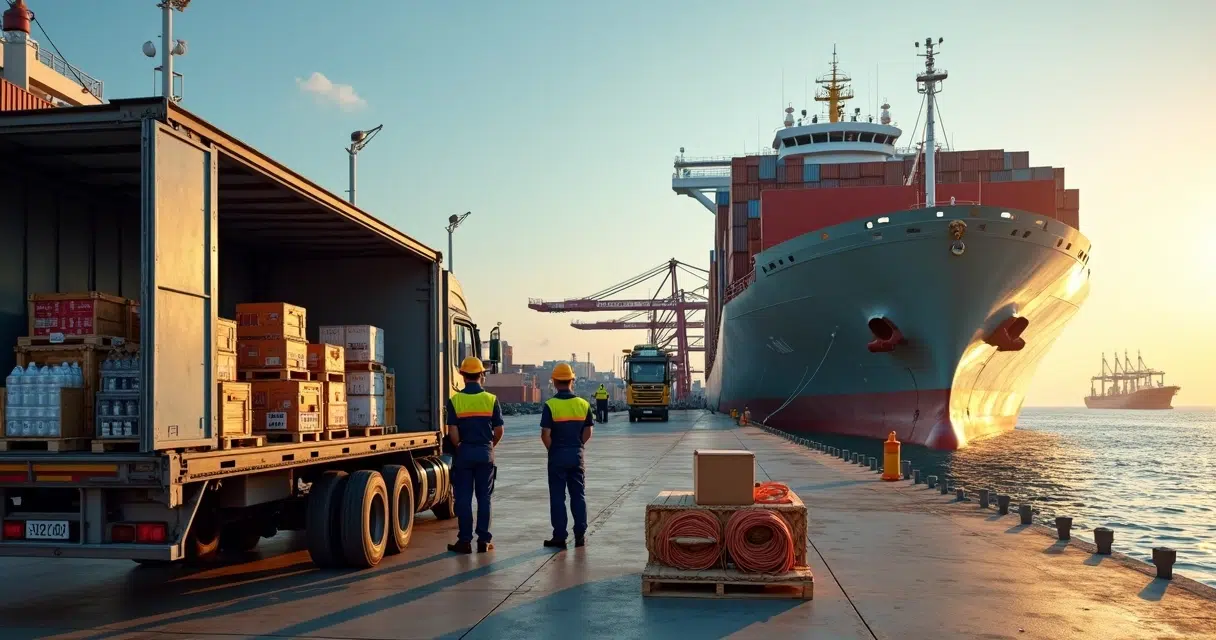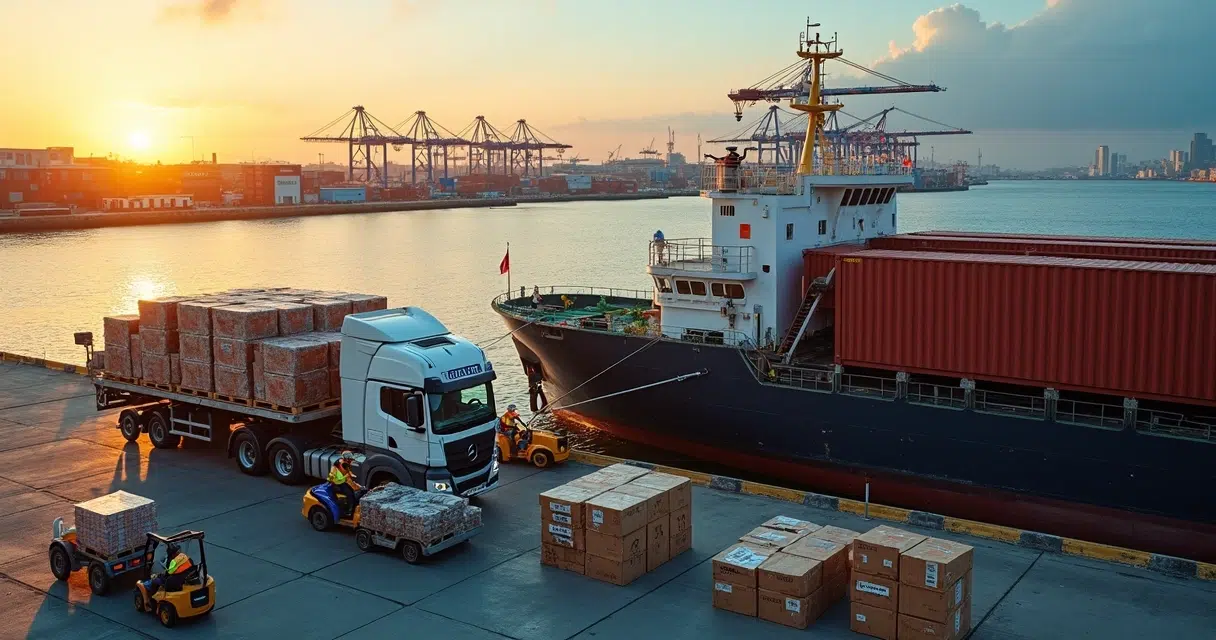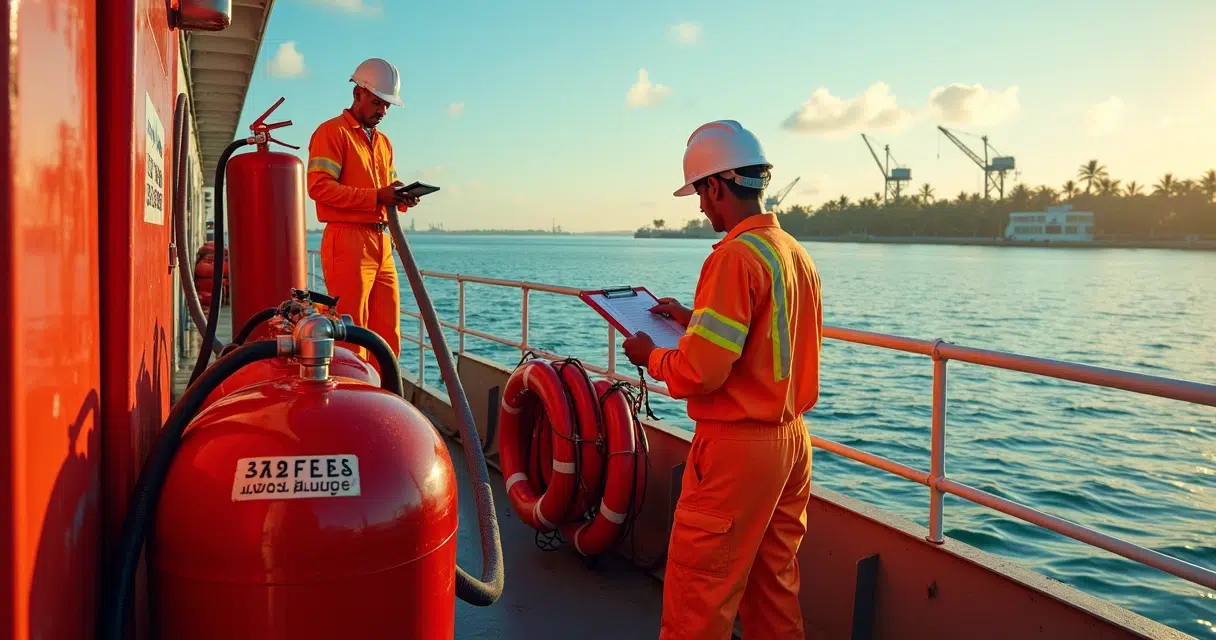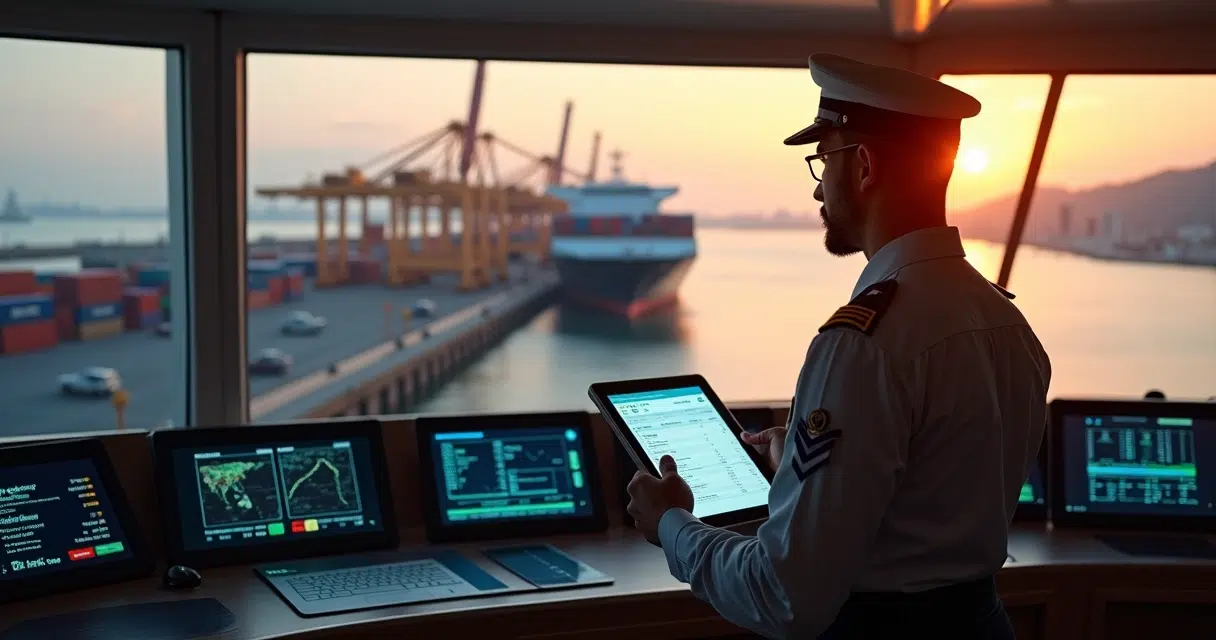
Brazil maritime news, regulation and practical guidance for vessels calling at Brazilian ports. We publish what changes a call: new berths and dredging, customs and health rules, fuel and emissions regulation, and the everyday detail of getting provisions, bonded stores and spare parts on board.
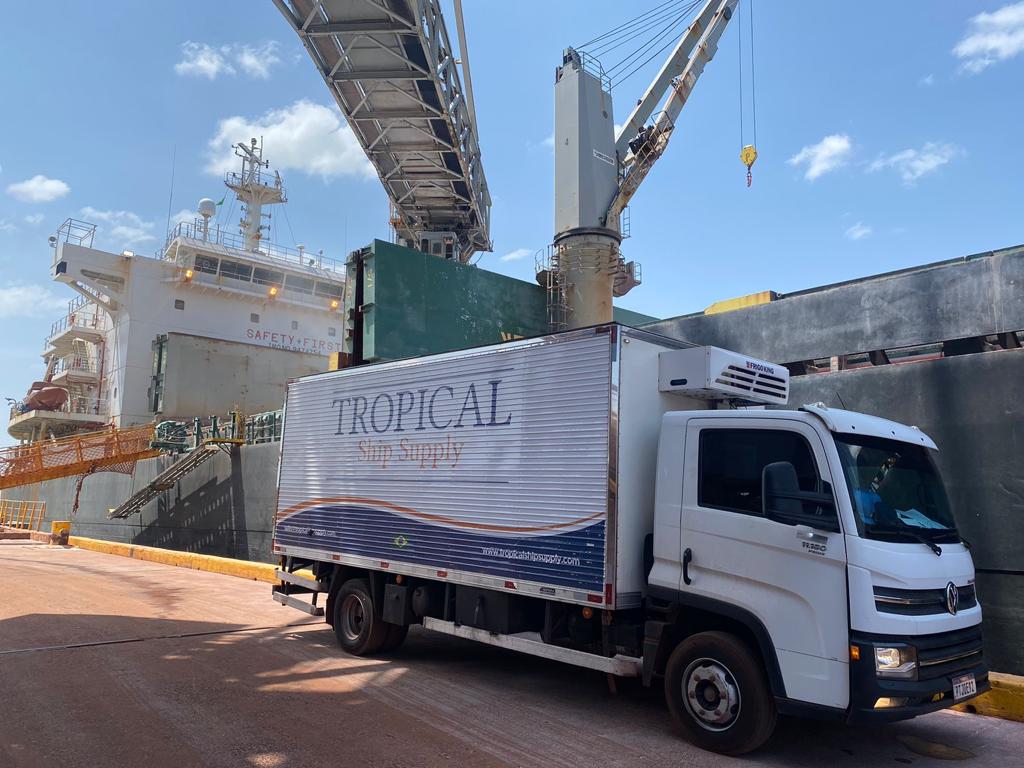
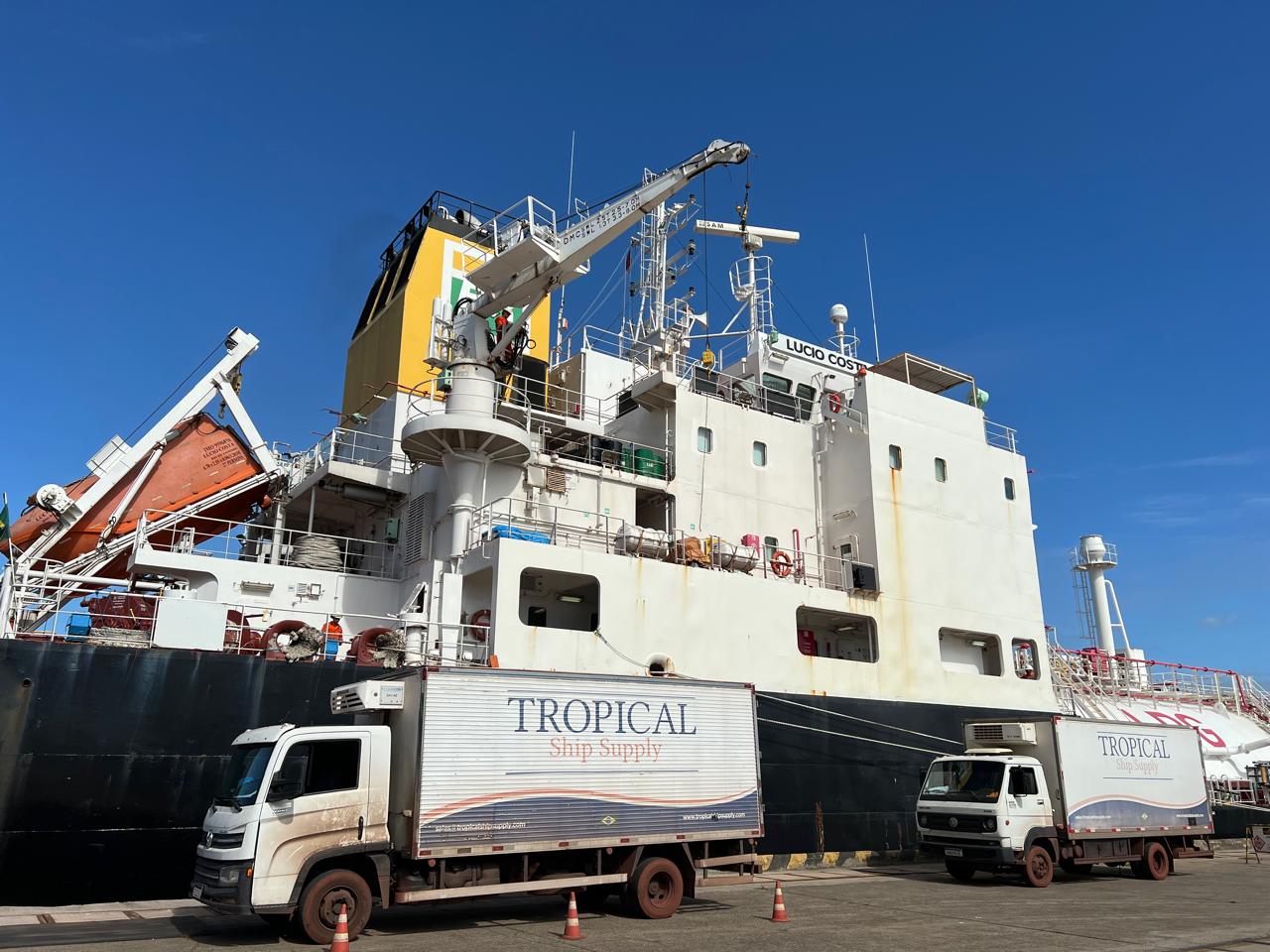
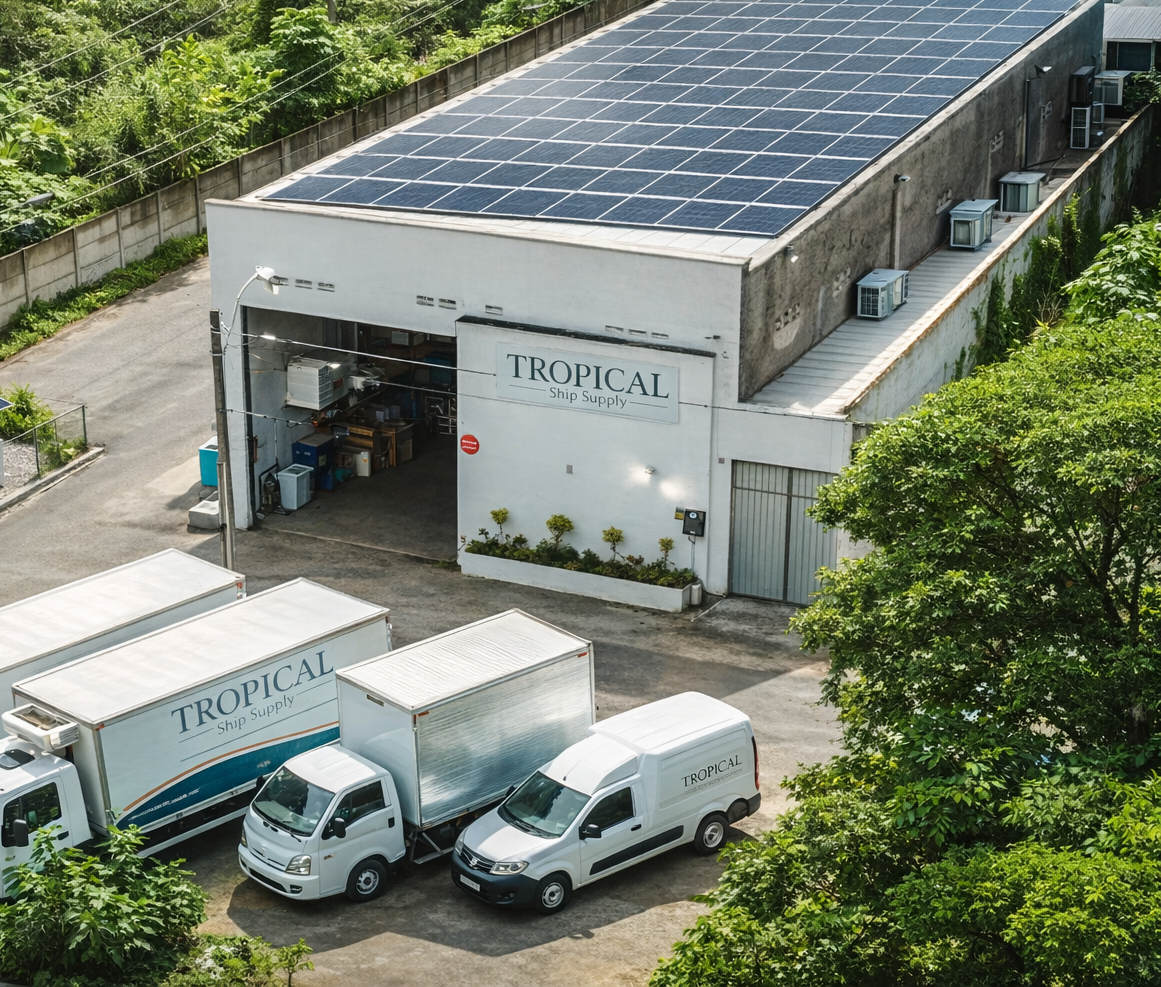
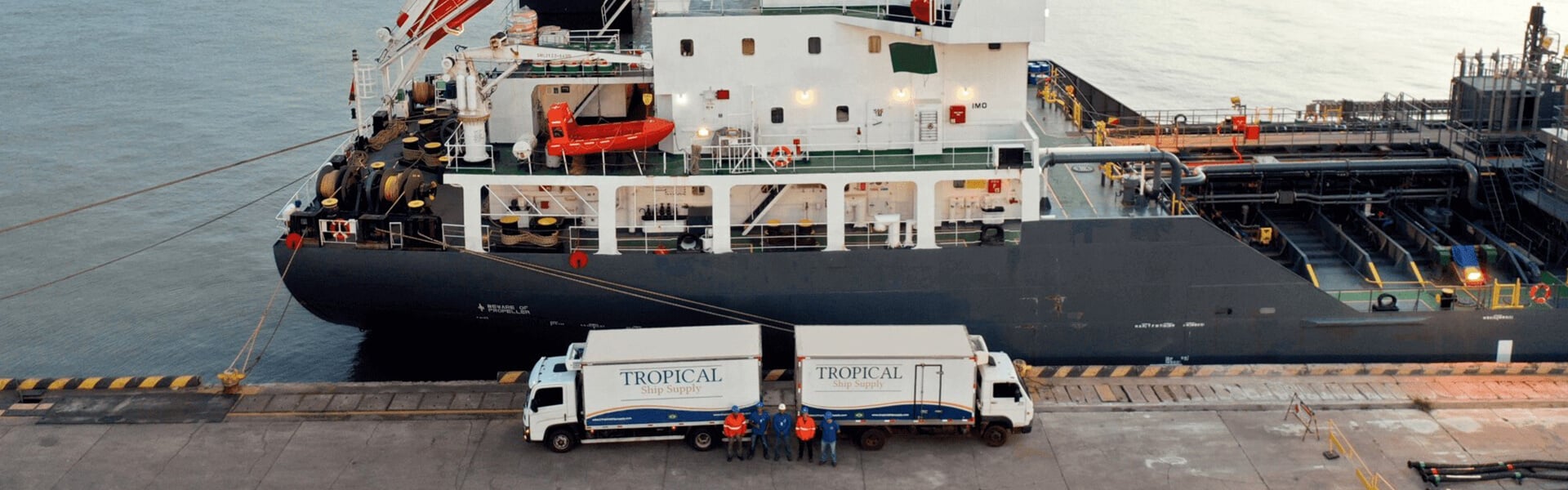
The guides come from our own operation. Tropical Ship Supply works the quay at Itaqui, Ponta da Madeira, Alumar and Belém, and supplies vessels at ports from the south-east coast to the Amazon river. When we write about bonded store control, cold-chain provisions or port clearance, we are describing work we do every week. We are a member of IMPA, the International Marine Purchasing Association.
Every Brazilian port runs to its own clock. Draft, anchorage distance, customs desk hours and the agency’s routine decide whether a delivery lands alongside or waits for the next window. Our port guide sets out how the Brazilian port clusters differ, and what a supplier needs to settle before an ETA is confirmed. Official traffic and infrastructure figures for each terminal are published by ANTAQ, the national waterway transport agency.
Three clusters cover most calls. In the north — São Luís (Itaqui, Ponta da Madeira and Alumar) and Belém — we hold our own warehouse, refrigerated fleet and staff, and deliver both alongside and at the anchorage. On the Amazon river — Santarém, Itacoatiara and Manaus — lead times are longer and a missed window rarely gets a second chance; few chandlers on the Santos axis serve these ports at all. On the south-east and south coast — Vitória, Tubarão, Rio de Janeiro, Itaguaí, Santos, Paranaguá and São Francisco do Sul — we work through our partner network, with the same requisition and the same point of contact.
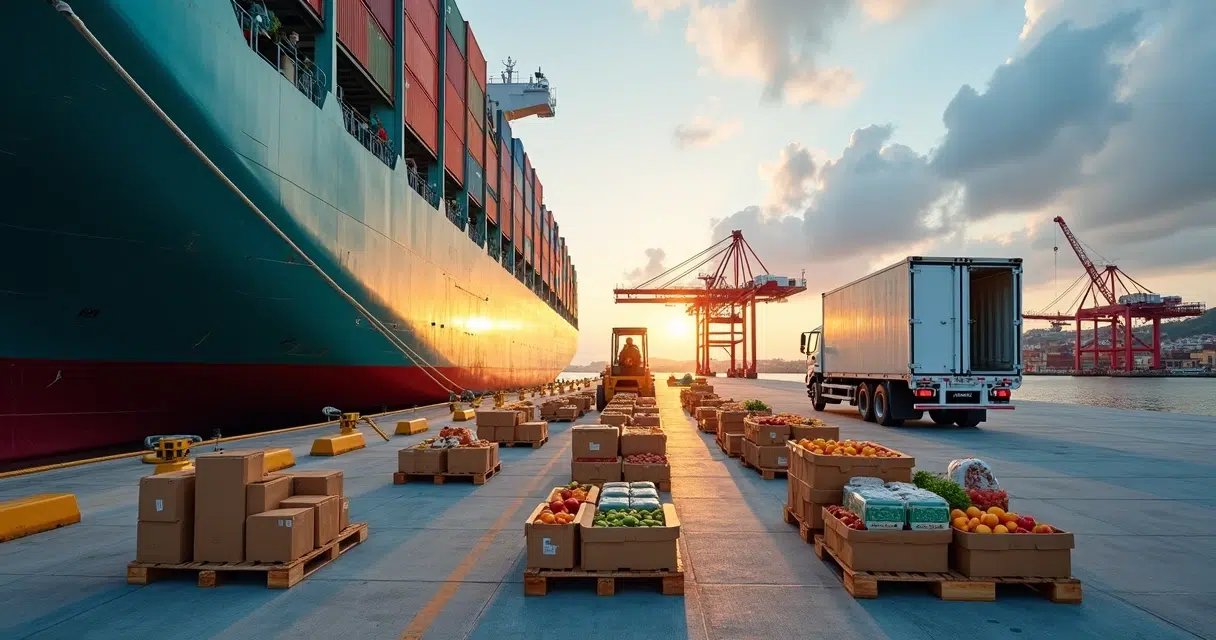
Most disputes over a delivery start before the truck leaves the warehouse. Temperature, shelf life, traceability and the paperwork behind a bonded seal are what a master checks at the rail. These guides cover the controls that keep provisions fit to serve and bonded stores free of discrepancy.
Regulation now reaches the store list. FuelEU Maritime changes what a vessel burns and what she carries. Due diligence rules change who an owner may buy from. And a supplier connecting a laptop on the bridge is part of the vessel’s cyber perimeter. The underlying rules come from the International Maritime Organization and from European legislation.
A supply chain is people. These guides deal with the crew’s rights and health, the injuries that repeat on deck, and the communication between master, agency and buyer where most ordering errors are born.
Articles are published in English, and in Portuguese when the subject is local. We write about Brazil maritime news when something changes for a vessel on the berth, not on a content calendar. Planning a call in Brazil and need something specific: a port, an ETA, a requisition? Write to us. We answer 24/7, in Portuguese and English.